
Planning a trek to Mount Rinjani without knowing the best time to climb Rinjani can turn your dream adventure into a risky gamble. Weather conditions on this majestic volcano can change dramatically, affecting everything from trail safety to visibility at the summit. Understanding the right timing is not just about comfort, it can truly determine whether your journey is unforgettable or unsafe.
Many trekkers rush to book their trip based on availability alone, overlooking crucial seasonal factors. The truth is, choosing the wrong month could mean slippery trails, poor views, or even canceled hikes. If you want to experience Rinjani at its absolute best while staying safe, this guide will walk you through everything you need to know.
Why Timing Matters When Climbing Mount Rinjani
Mount Rinjani, located on Lombok Island in Indonesia, stands at an impressive 3,726 meters above sea level. As one of the highest volcanoes in the country, it offers breathtaking views like Segara Anak Lake, vast savannas, and dramatic sunrise panoramas. However, its high elevation and tropical climate make weather conditions unpredictable and sometimes extreme.
Choosing the right time to climb impacts your safety, trekking difficulty, and overall experience. Trails can become dangerously slippery during the rainy season, while strong winds and cold temperatures at the summit can challenge even experienced hikers. Timing also affects visibility, which is crucial if you want to witness the iconic sunrise above the clouds.
Best Time to Climb Rinjani Based on Season
Before diving into specific months, it’s important to understand the two main seasons in Lombok. Each season offers a completely different trekking experience, and knowing their characteristics will help you plan wisely.
1. Dry Season (April to October)
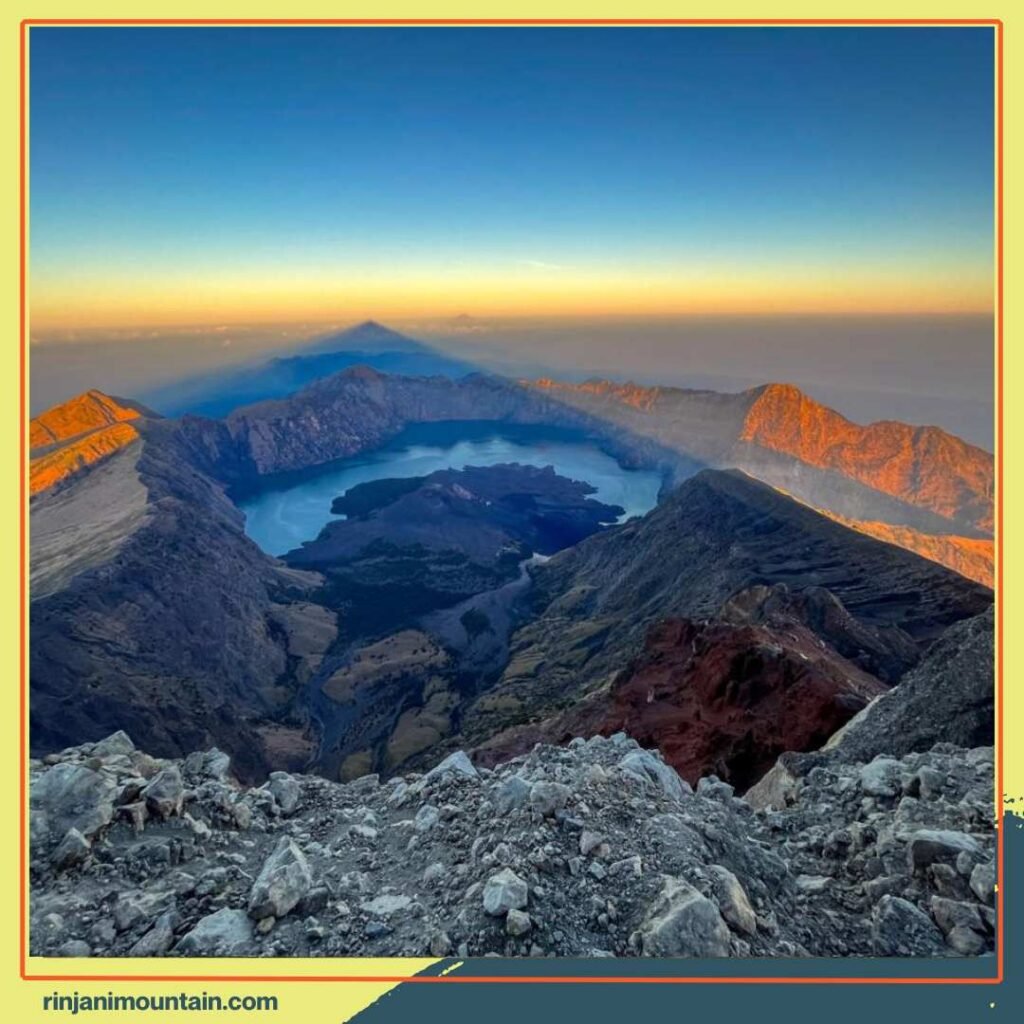
The dry season is widely considered the best time to climb Rinjani because of its stable weather conditions. Clear skies dominate most days, giving trekkers stunning panoramic views from the crater rim and summit. Trails are also significantly safer as they are dry and easier to navigate.
During this period, temperatures are more predictable, though it can still get very cold near the summit. Wind conditions are generally manageable, making summit attacks more comfortable and less risky. Visibility is at its peak, which is perfect for photography and enjoying the landscape.
- Clear skies and excellent visibility
- Safer and drier trekking trails
- Ideal for sunrise and summit views
- Most recommended season by guides
2. Rainy Season (November to March)
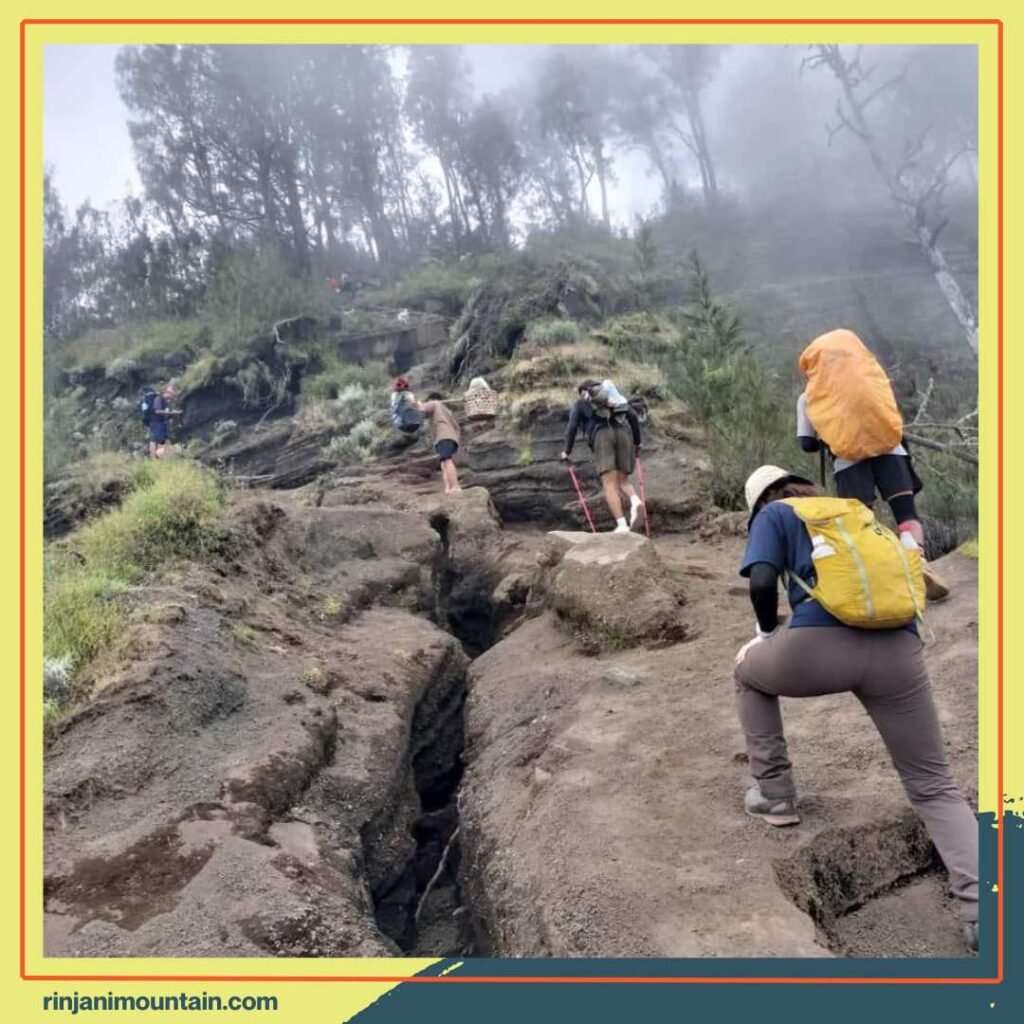
The rainy season is generally not recommended for climbing Mount Rinjani due to safety concerns. Heavy rainfall can make trails muddy and slippery, increasing the risk of accidents. Fog and clouds also reduce visibility, limiting your ability to enjoy the scenery.
In fact, the national park is usually closed during peak rainy months to protect both trekkers and the environment. Landslides and sudden weather changes are more common during this time, making trekking unpredictable and dangerous.
- Slippery and muddy trails
- Limited visibility due to fog and clouds
- Higher risk of landslides
- Park closures often enforced
Best Months for the Ultimate Rinjani Experience
If you want the perfect balance between weather, scenery, and crowd levels, these months stand out as the most ideal.
3. April to June (Early Dry Season)
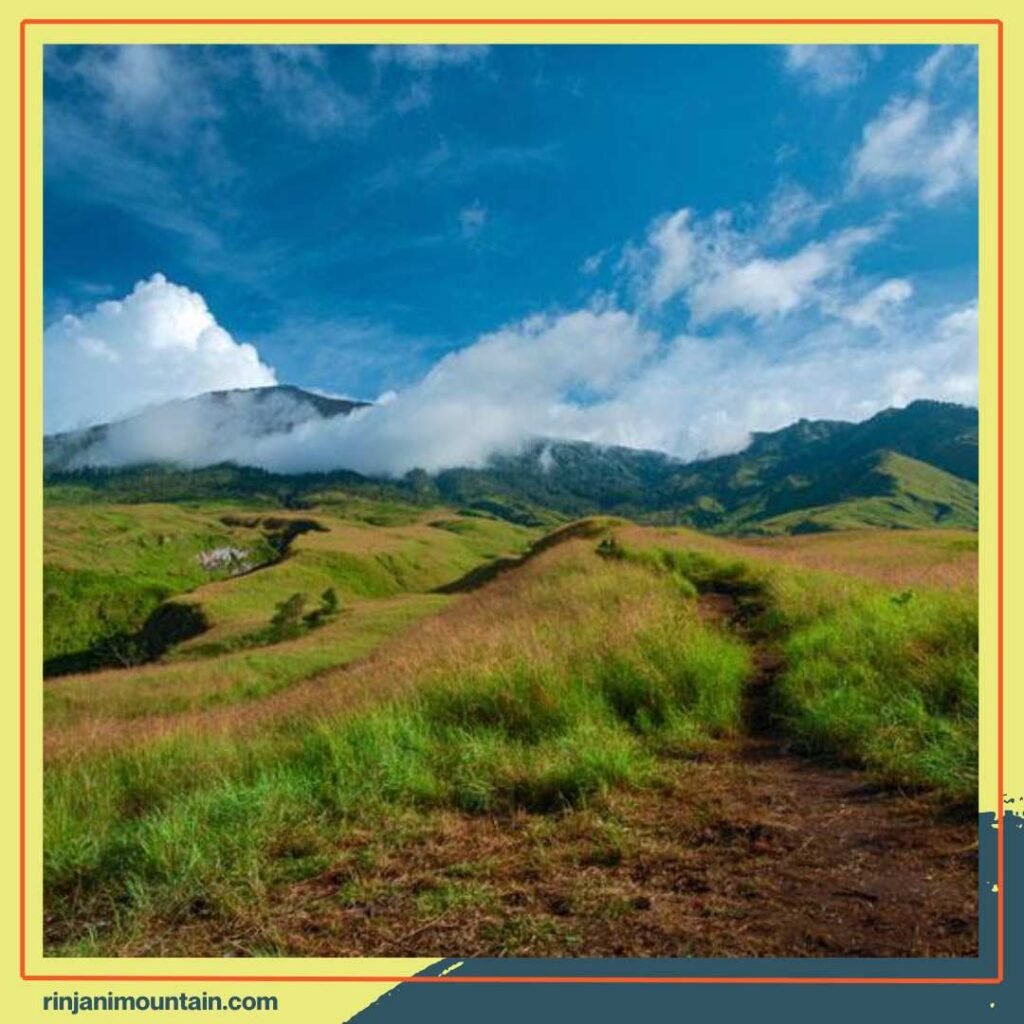
This period marks the beginning of the dry season, where the landscape is still lush and green after months of rainfall. Waterfalls are flowing beautifully, and the scenery feels alive and vibrant. It’s a great time for those who want both good weather and rich natural beauty.
Trails are starting to dry, making trekking safer while still maintaining a fresh and colorful environment. The crowds are also relatively smaller compared to peak months, allowing for a more peaceful experience.
- Lush green landscapes
- Moderate crowd levels
- Good weather conditions
- Ideal for photography
4. July to August (Peak Season)
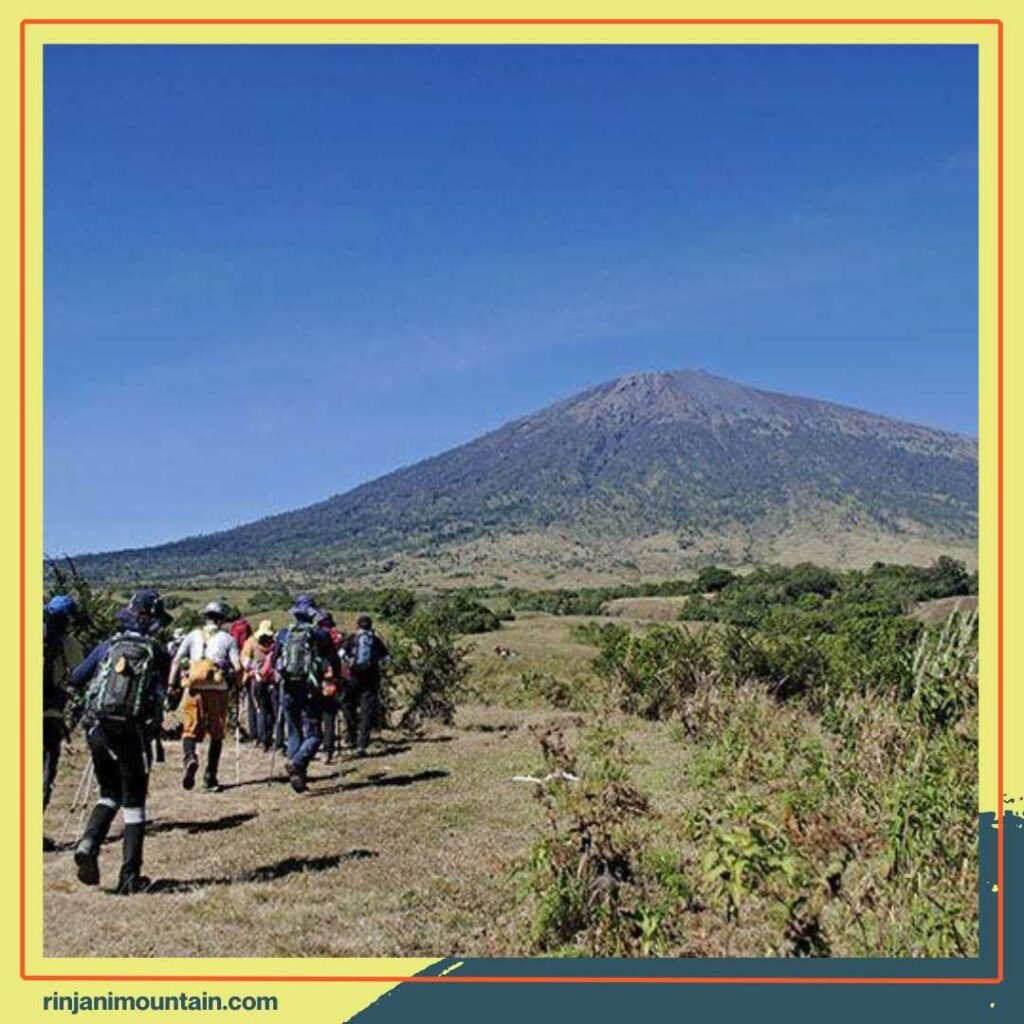
These are the busiest months for trekking Mount Rinjani, as they coincide with international holidays. The weather is at its most stable, offering excellent conditions for reaching the summit. However, the trails and campsites can become crowded.
If you enjoy a lively trekking atmosphere and don’t mind sharing the experience with many others, this is a great time to go. Booking in advance is essential during this season due to high demand.
- Best weather stability
- High number of trekkers
- Requires early booking
- Vibrant trekking atmosphere
5. September to October (Late Dry Season)
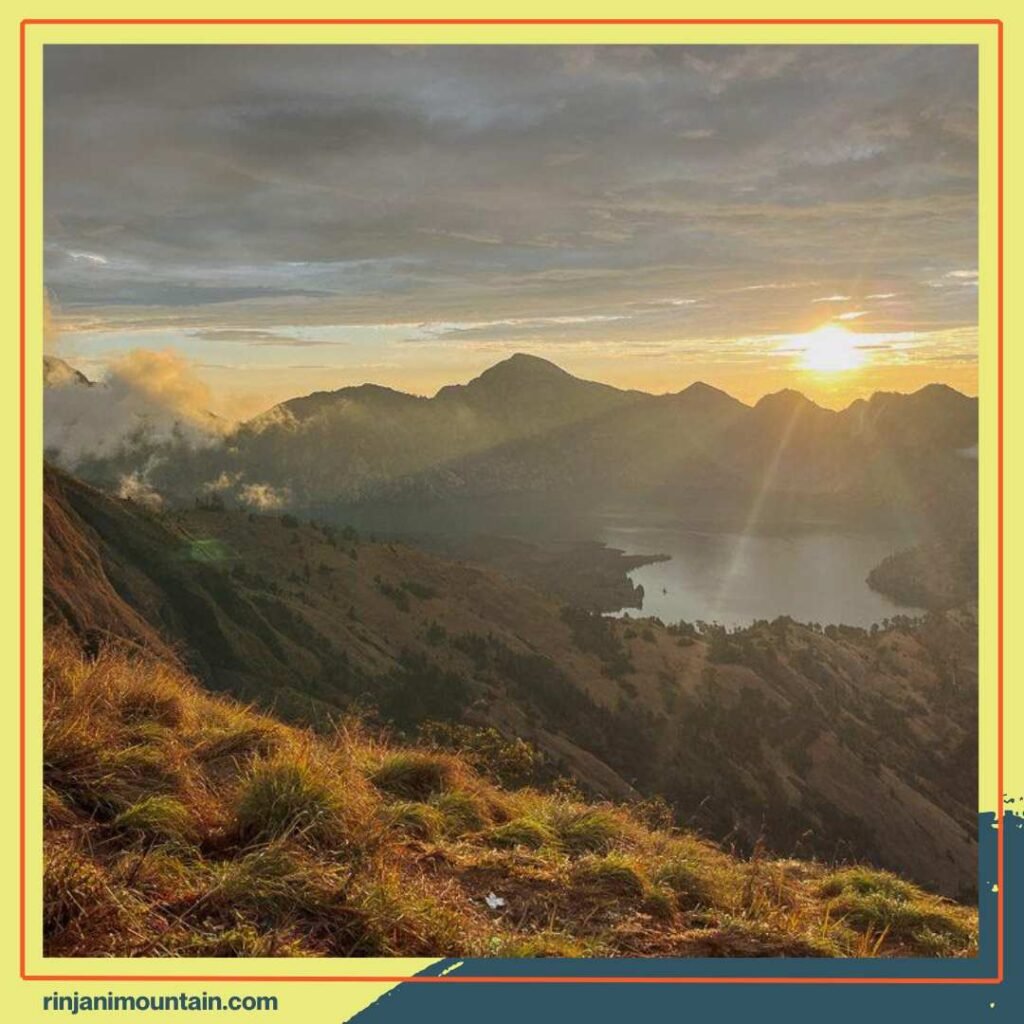
Late dry season offers a quieter and more relaxed trekking experience. The weather remains favorable, with clear skies and minimal rainfall. However, the landscape becomes drier and less green compared to earlier months.
This is an excellent time for those who prefer fewer crowds while still enjoying safe trekking conditions. Sunsets during this period are particularly stunning due to the dry atmosphere.
- Fewer crowds
- Stable weather conditions
- Golden sunset views
- Slightly drier landscape
Factors That Influence the Best Time to Climb Rinjani
Understanding seasonal timing is important, but several other factors can also impact your trekking experience.
6. Weather and Temperature at the Summit
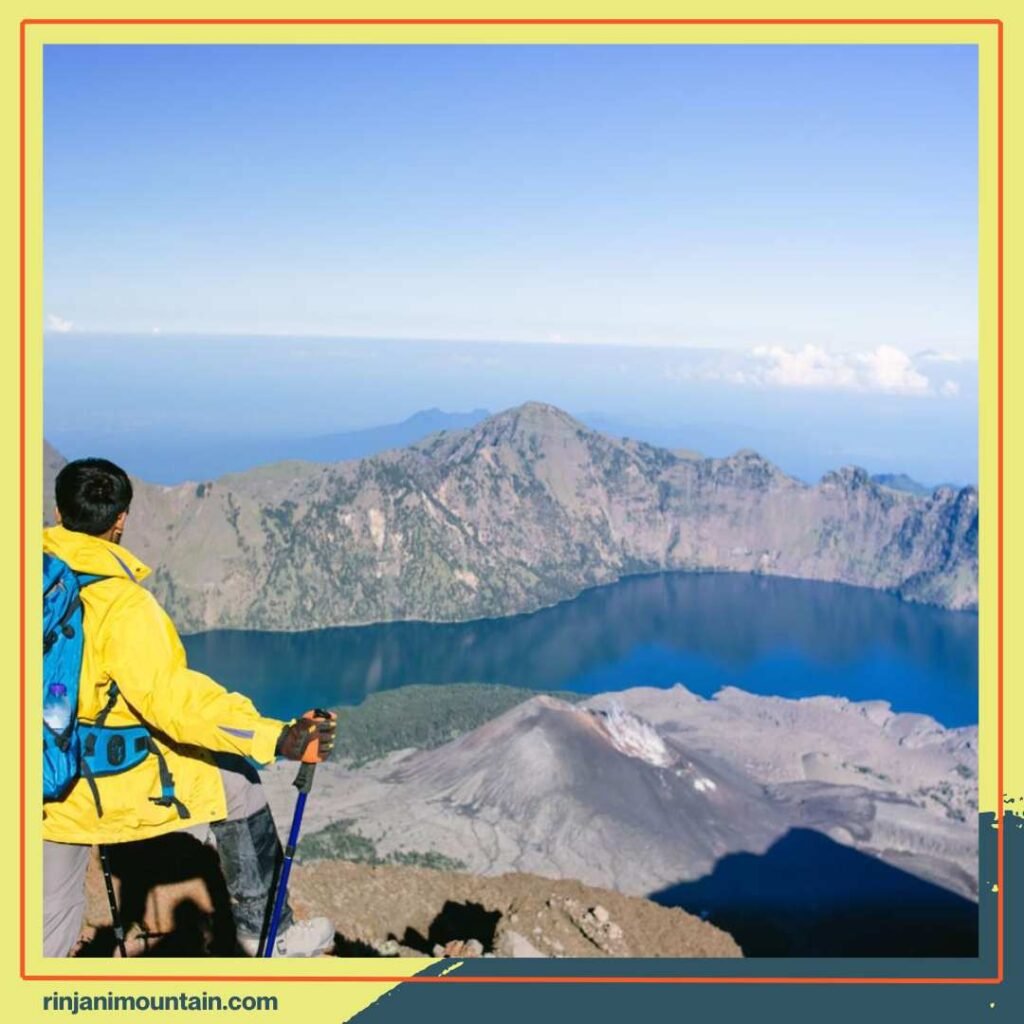
Temperatures at the summit of Mount Rinjani can drop to 0°C or even lower, especially during early morning summit attempts. Strong winds can make it feel even colder, so proper gear is essential regardless of the season.
Most summit attacks begin around 2:00–3:00 AM to reach the peak by sunrise. This timing means trekkers must prepare for extreme cold and physically demanding conditions.
- Temperatures can reach freezing point
- Strong winds increase difficulty
- Early morning summit hikes required
- Proper clothing is essential
7. Trail Conditions and Difficulty
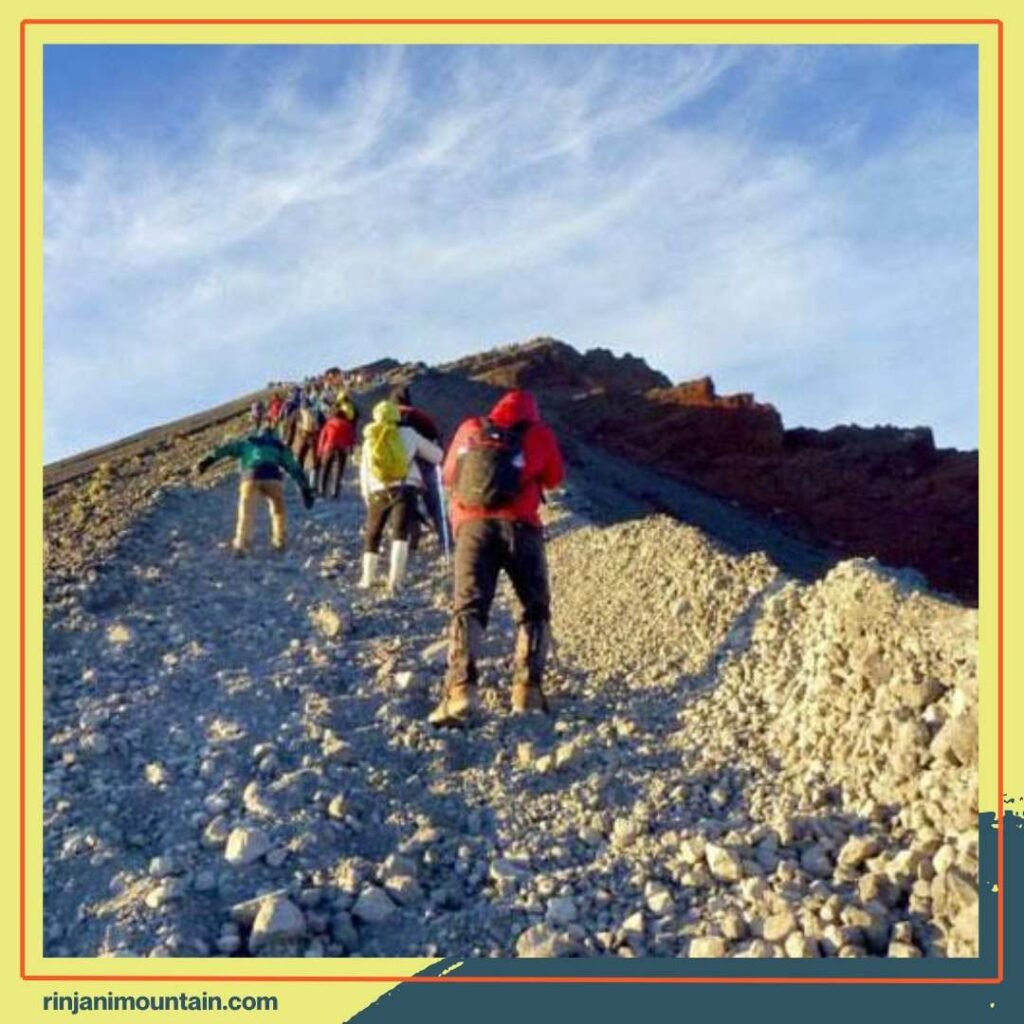
The trail to the summit, especially via the Sembalun route, is known for its challenging terrain. Loose volcanic sand and steep inclines can make every step feel exhausting. This is why dry conditions are highly recommended.
The “Bukit Penyesalan” or “Hill of Regret” is a famous section that tests both physical and mental endurance. Trekking during the wrong season can make this already difficult section even more dangerous.
- Loose volcanic sand trails
- Steep and physically demanding routes
- Requires strong endurance
- Safer during dry conditions
8. Trekking Routes and Experience Level
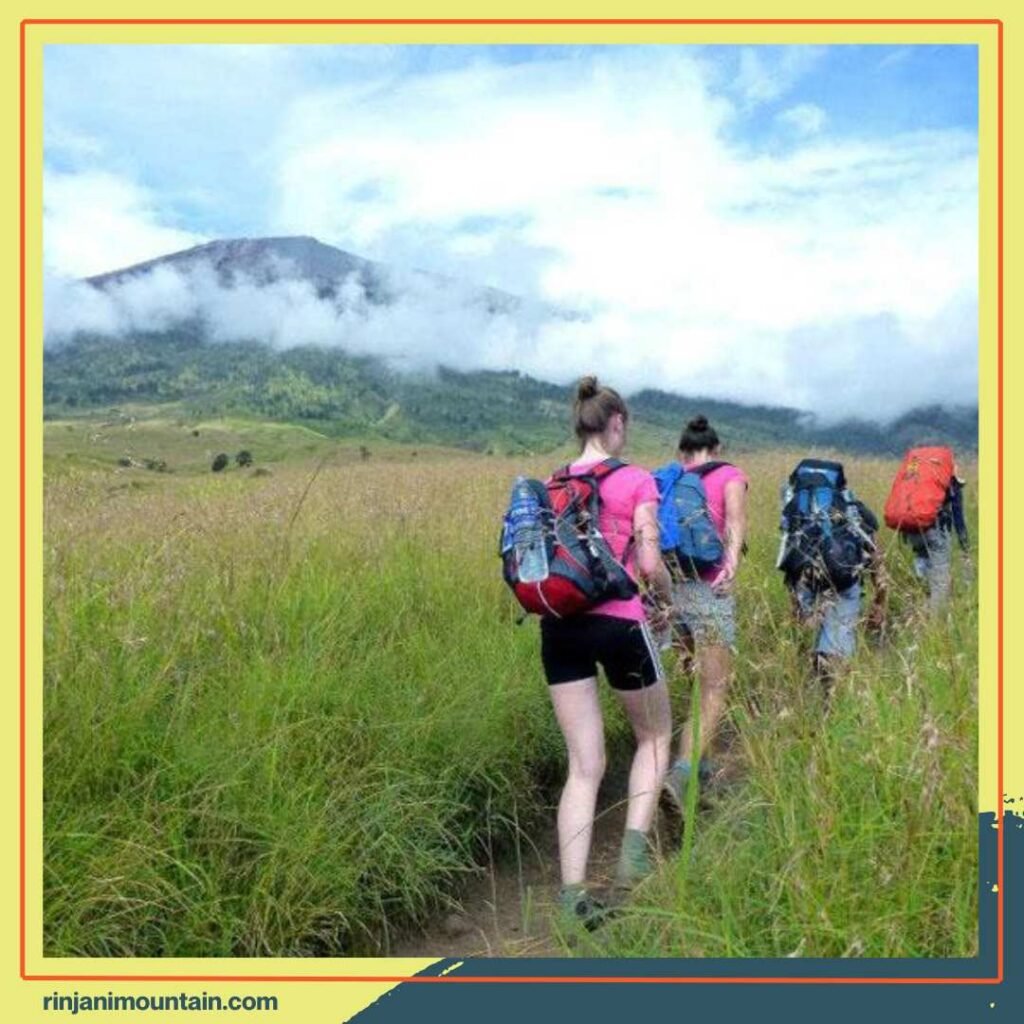
Mount Rinjani offers several popular routes, each with unique characteristics. The Sembalun route is ideal for summit seekers, while Senaru offers a shorter but forest-rich experience. Torean is gaining popularity for its scenic rivers and waterfalls.
Choosing the right route depends on your experience level and the time of year. Some routes are more suitable during certain seasons due to terrain and safety considerations.
- Sembalun: The route to the summit
- Senaru for shorter forest trek
- Torean for scenic exploration
- Route choice affects overall experience
Essential Preparation Before Climbing
Climbing Mount Rinjani is not just about timing—it also requires serious preparation. Physical fitness, proper gear, and mental readiness are crucial for a successful trek. Cardio training is highly recommended due to the steep elevation gain.
Make sure to bring appropriate equipment such as warm jackets, trekking shoes, and safety gear. Booking through official channels is mandatory to ensure safety and proper registration within the national park system.
Rinjani Trekking Packages You Can Choose
Rinjani Mountain offers well-organized trekking packages designed for different experience levels:
- Senaru Crater Rim (2D1N): Perfect for beginners with stunning views
- Rinjani Summit (2D1N): For experienced trekkers aiming for the peak
- Rinjani Trekking (3D2N): Complete experience including lake and summit
- Rinjani Hike (4D3N): Relaxed pace with full exploration
Each package includes professional guides, safety equipment, meals, and camping facilities to ensure a comfortable and secure journey.
Your Smart Move Starts Here Plan Your Rinjani Adventure with Experts
Choosing the best time to climb Rinjani is the first step, but having the right team makes all the difference. With experienced local guides, complete safety systems, and premium services, your trekking experience becomes smoother and more enjoyable.
Don’t risk your once-in-a-lifetime adventure by going unprepared. Let professionals handle the logistics while you focus on enjoying every breathtaking moment of Mount Rinjani.
Book your trek now with Rinjani Mountain: Rinjani Mountain Official Website
Chat directly via WhatsApp: