
Mount Rinjani weather can shift from calm sunshine to freezing winds within hours, and many trekkers underestimate just how quickly conditions change at high altitude. The difference between a safe climb and a dangerous situation often comes down to how well you understand the weather before you start your journey. Ignoring this factor is one of the most common mistakes made by climbers heading to Indonesia’s second-highest volcano.
Strong winds, sudden rain, and near-zero temperatures at the summit can trigger hypothermia faster than you expect, especially during the early morning summit push. Knowing the weather forecast is not just helpful, it is essential for survival and comfort. This guide will help you understand everything about Mount Rinjani weather so you can plan a safer and more enjoyable adventure.
Understanding Mount Rinjani Weather Conditions
Mount Rinjani stands at 3,726 meters above sea level on Lombok Island, making it one of the most challenging yet rewarding trekking destinations in Indonesia. Due to its elevation, the climate varies drastically from the base to the summit. While the lower areas may feel warm and humid, the upper sections can be extremely cold and windy.
Weather patterns on Rinjani are influenced by tropical seasons, altitude, and volcanic terrain. The dry season typically offers clearer skies and better trekking conditions, while the rainy season brings slippery trails and limited visibility. However, even during the dry season, sudden changes can occur without warning.
Trekkers must understand that Mount Rinjani weather is unpredictable, especially during the summit attack. Starting your climb without checking updated forecasts increases the risk of exposure, exhaustion, and navigation difficulties.
Why Weather Matters During the Summit Push
The summit push usually begins between 2:00 and 3:00 AM from Pelawangan Sembalun. This is the coldest part of the day, with temperatures often dropping to 0°C or even lower. Combined with strong winds, the perceived temperature can feel much colder.
The terrain toward the summit is dominated by loose volcanic sand and gravel. This makes every step physically demanding, especially when strong winds reduce stability. Poor weather conditions can slow your progress and increase fatigue significantly.
Reaching the summit takes around 7 to 10 hours depending on your pace and physical condition. Without proper weather preparation, this long exposure can lead to dehydration, hypothermia, or even forced descent before reaching the peak.
Best Time to Trek Based on Mount Rinjani Weather
The best time to climb Mount Rinjani is during the dry season, which usually runs from April to October. During this period, the weather is more stable, skies are clearer, and trails are safer to navigate.
In contrast, the rainy season from November to March is not recommended for trekking. Heavy rainfall makes trails slippery and increases the risk of landslides. Visibility is also reduced, making navigation more difficult.
Even during the best months, it is still important to check daily forecasts. Weather at high altitude can change rapidly, and relying only on seasonal assumptions can be risky.
Essential Weather Factors Every Trekker Must Know
Before starting your trek, you need to understand several key weather elements that directly affect your safety and experience. Each factor plays a crucial role in determining whether your climb will be comfortable or dangerous.
1. Temperature Drops at High Altitude
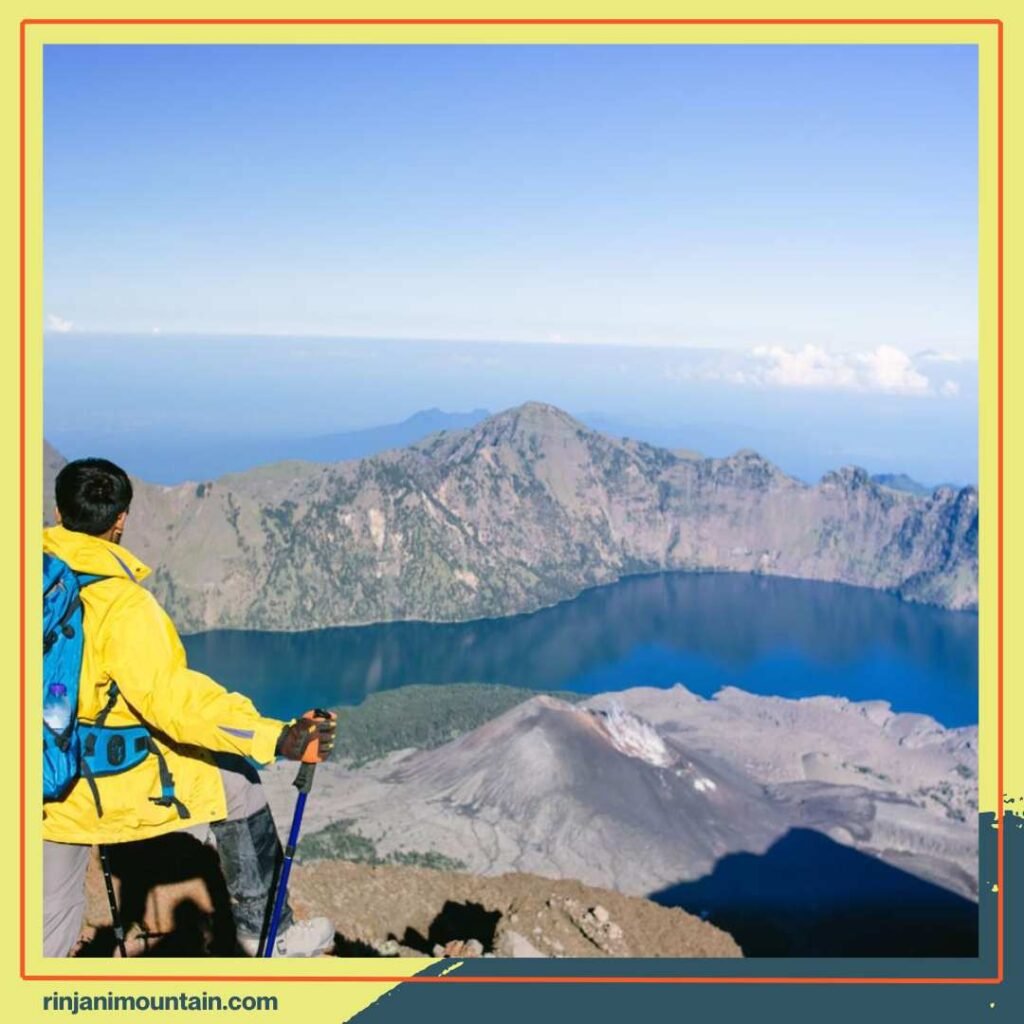
- Temperatures can drop to 0°C or below at the summit
- Wind chill can make it feel much colder
- Night temperatures are significantly lower than daytime
Cold temperatures are one of the biggest challenges on Mount Rinjani. As you ascend, the air becomes thinner and colder, making your body lose heat more quickly. Without proper clothing, this can lead to serious health risks.
Layering is essential to maintain body warmth during the climb. A combination of thermal wear, windproof jackets, and gloves will help protect you from extreme cold. Proper preparation ensures you stay warm even during the harshest conditions.
Many trekkers underestimate how cold it gets near the summit. Being prepared for freezing temperatures can make the difference between enjoying the sunrise and struggling to stay warm.
2. Strong Winds Near the Summit
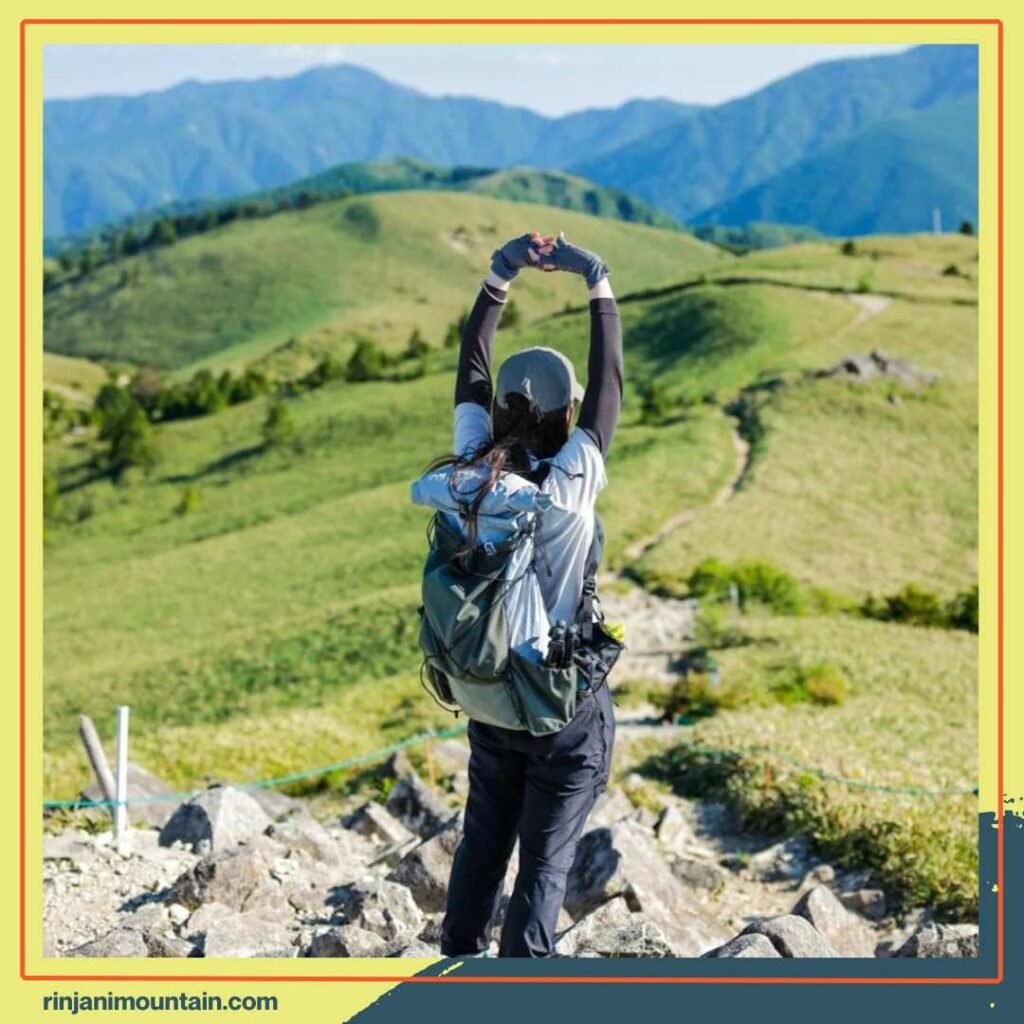
- Wind speeds can increase significantly at higher elevations
- Strong gusts can affect balance on loose terrain
- Wind chill intensifies cold exposure
Wind is a major factor that makes Mount Rinjani weather more challenging. Near the summit, strong gusts can push you off balance, especially on sandy slopes. This makes the climb physically and mentally demanding.
Winds also increase heat loss, making your body feel colder than the actual temperature. This is why windproof clothing is essential during the summit push. Without it, even moderate temperatures can feel freezing.
Understanding wind conditions before your climb helps you prepare better. It also allows you to adjust your timing if necessary.
3. Rain and Sudden Weather Changes
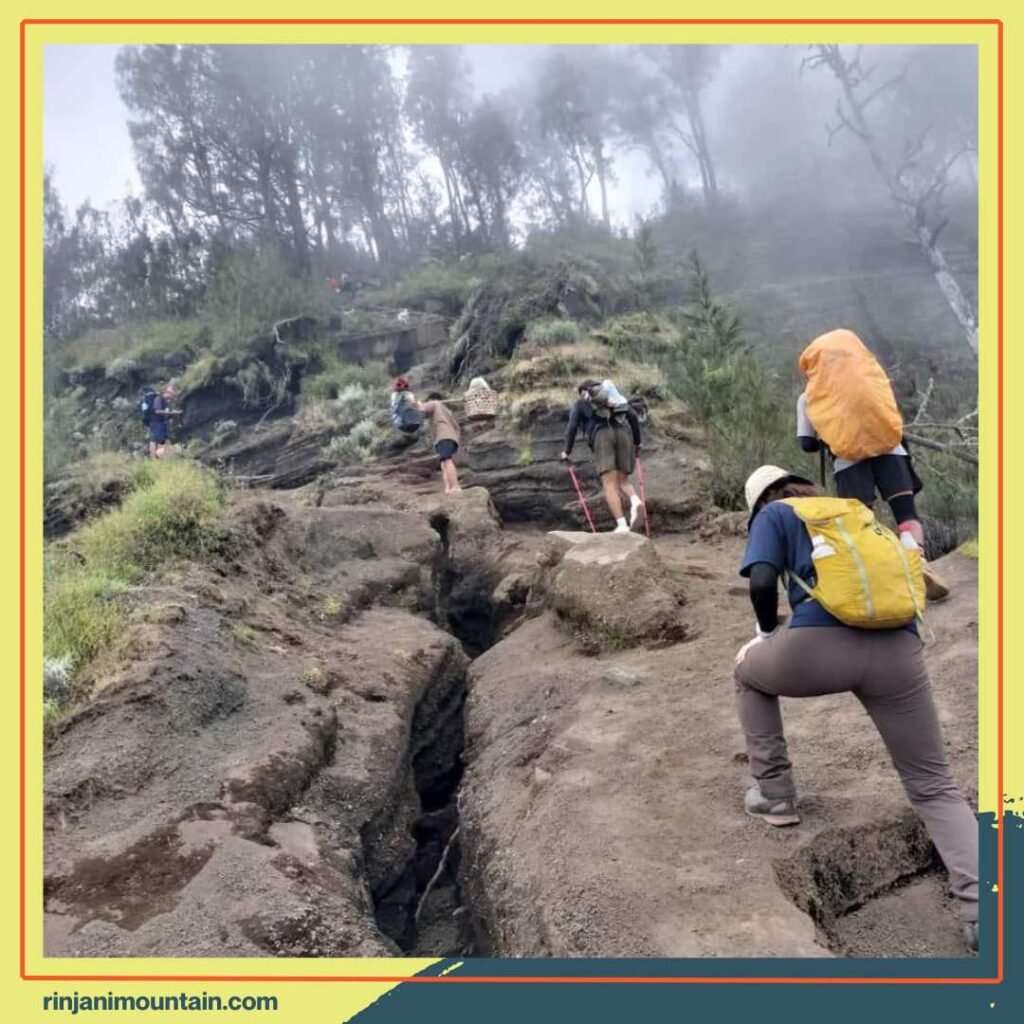
- Rain can occur even during the dry season
- Wet trails become slippery and dangerous
- Visibility decreases during heavy rain
Rainfall can transform an already challenging trail into a hazardous path. Slippery rocks and muddy terrain increase the risk of falls and injuries. This is especially dangerous during steep sections.
Sudden weather changes are common on Mount Rinjani. Clear skies can quickly turn into cloudy and rainy conditions. Being prepared for unexpected rain is crucial.
Carrying proper rain gear ensures you stay dry and comfortable. It also helps maintain your body temperature in cold conditions.
4. Visibility and Fog Conditions
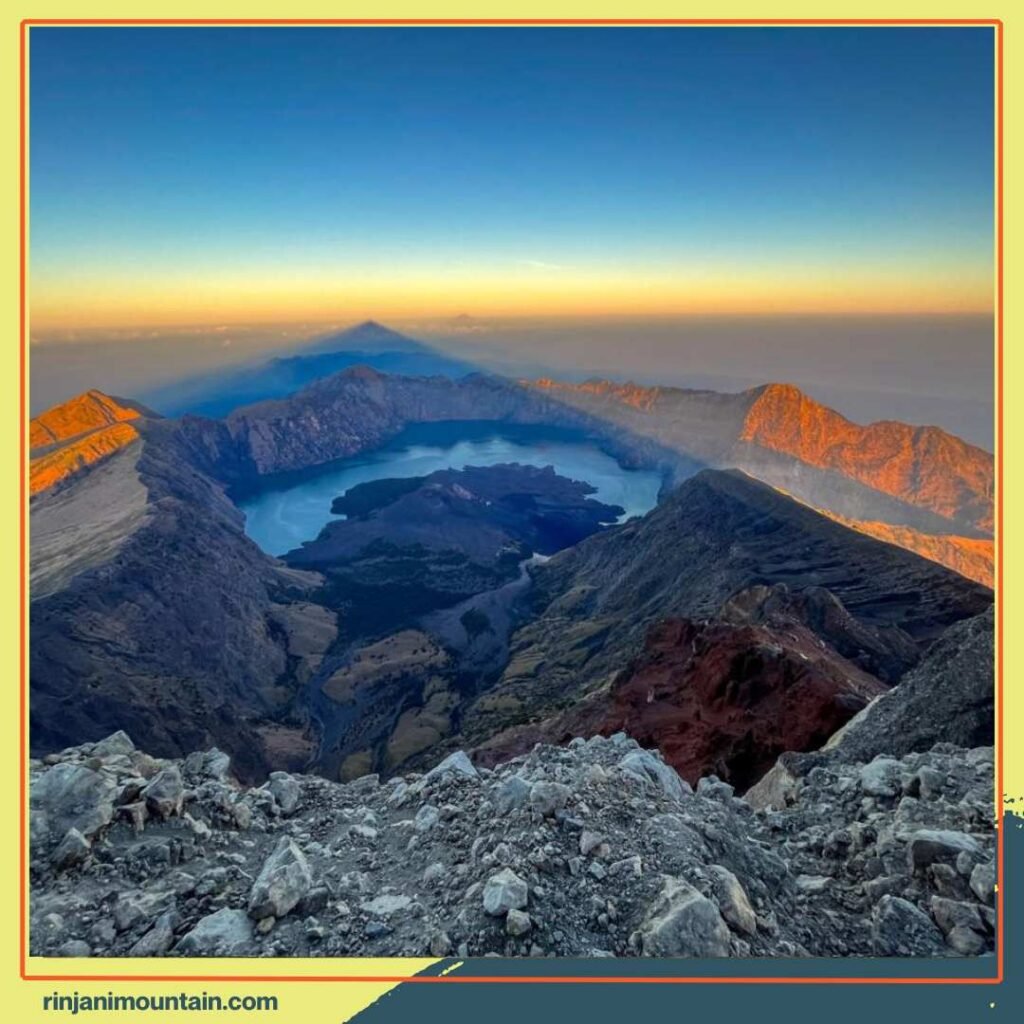
- Fog can reduce visibility significantly
- Navigation becomes more difficult in low visibility
- Risk of getting lost increases
Fog is another factor that can impact your trekking experience. At higher elevations, clouds can surround the mountain, reducing visibility to just a few meters. This makes navigation challenging.
Poor visibility can slow down your progress and increase fatigue. It also adds psychological stress, especially for less experienced trekkers.
Using a headlamp and staying with your group helps maintain safety. Proper planning minimizes risks associated with low visibility.
5. Seasonal Weather Patterns
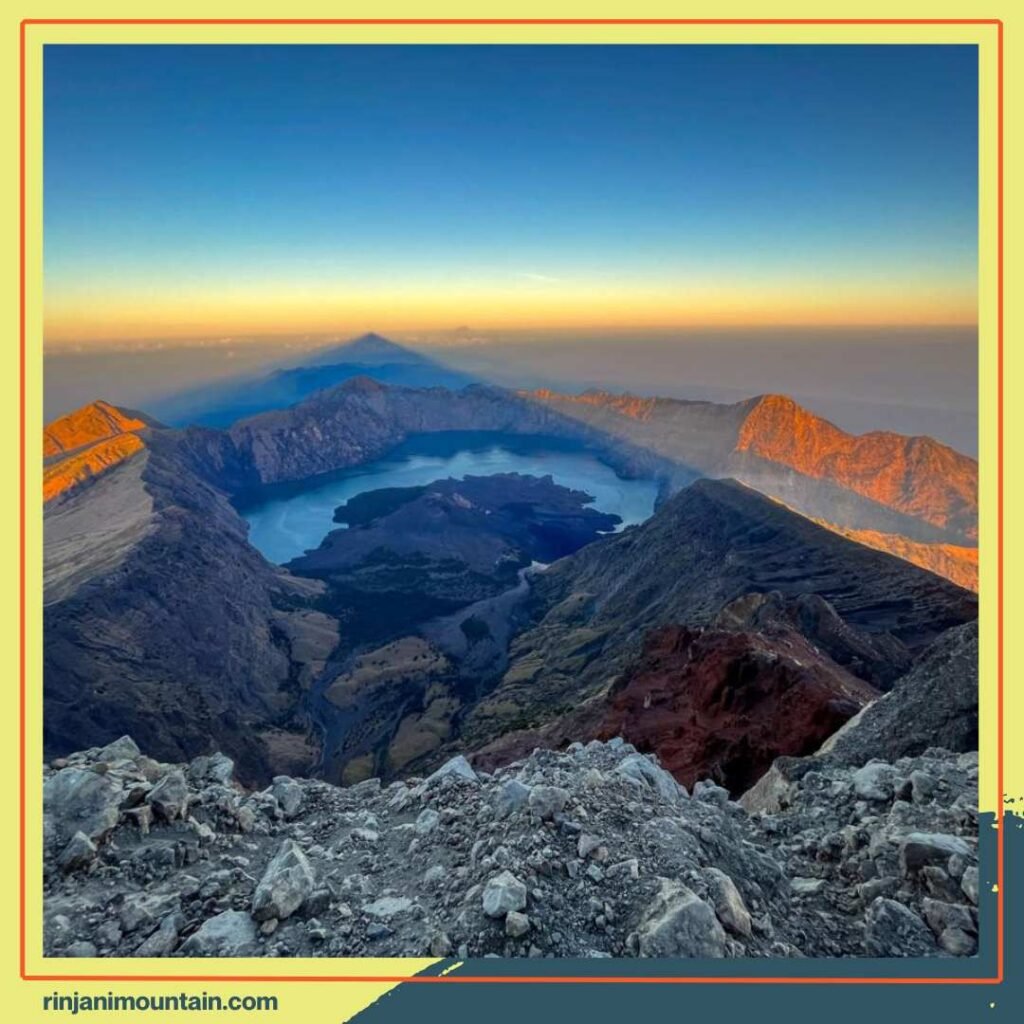
- Dry season offers more stable conditions
- Rainy season increases risks and challenges
- Weather can still change unpredictably
Seasonal patterns play a big role in determining trekking conditions. The dry season is generally safer, but it is not completely free from weather changes. Trekkers should remain cautious at all times.
During the rainy season, conditions become more extreme. Trails are harder to navigate, and risks increase significantly. This is why most trekking operators close routes during this period.
Understanding seasonal weather helps you choose the best time for your adventure. It also allows you to prepare more effectively.
6. Humidity and Heat at Lower Elevations
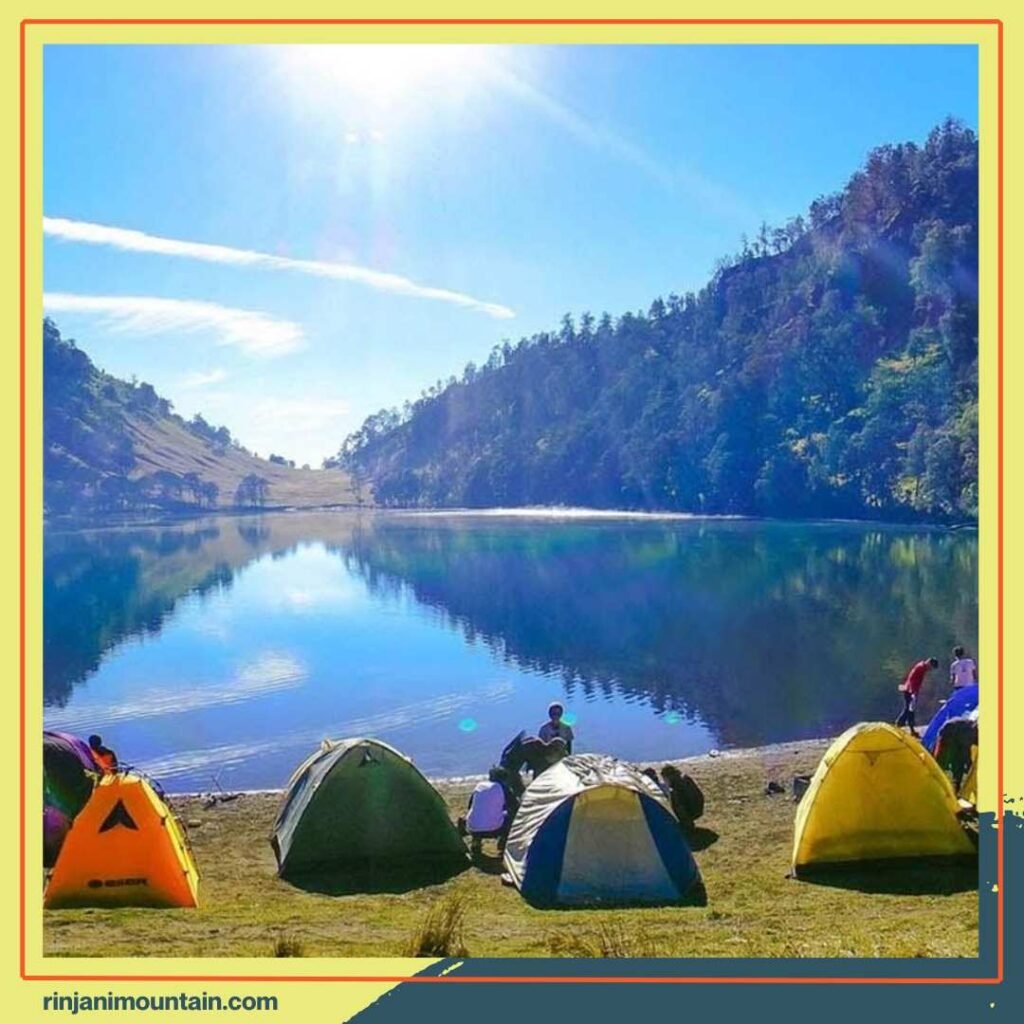
- Lower areas can be hot and humid
- Dehydration risk increases during the day
- Proper hydration is essential
While the summit is cold, the lower sections of Mount Rinjani can be hot and humid. This creates a unique challenge where trekkers must adapt to different climates in one journey.
High humidity increases sweating, which can lead to dehydration. Drinking enough water is crucial to maintain energy levels throughout the trek.
Balancing hydration and energy intake ensures a smoother trekking experience. Proper preparation helps you handle both heat and cold effectively.
How to Prepare for Mount Rinjani Weather
Preparation is key to a successful trek. Understanding the weather is only the first step, but taking the right actions is what truly makes a difference. Packing the right gear and planning your itinerary carefully can greatly improve your safety.
Physical and mental preparation is also important. Training your body for endurance helps you handle the challenging terrain and weather conditions. Mental readiness ensures you stay focused during difficult moments.
Always check updated weather forecasts before your climb. Reliable information allows you to adjust your plans and avoid unnecessary risks.
Trekking Routes and Weather Considerations
Mount Rinjani has several official trekking routes, with the most popular being Sembalun, Senaru, and Torean. Each route offers different experiences and weather challenges.
The Sembalun route is known for its open savanna and direct path to the summit. However, it also exposes trekkers to strong winds and sun during the day. The final ascent is physically demanding due to loose volcanic sand.
The Senaru route passes through dense tropical forest, offering shade but higher humidity. The Torean route is becoming popular due to its scenic rivers, cliffs, and waterfalls. Each route requires careful weather consideration before starting.
Ready for a Safe and Unforgettable Rinjani Adventure Choose the Right Team Today
Planning your trek based on Mount Rinjani weather is the smartest decision you can make before stepping onto the trail. With the right preparation, guidance, and support, your journey can be both safe and unforgettable. Do not leave your safety to chance when professional help is available.
RINJANI MOUNTAIN offers expertly designed trekking packages tailored to your needs, from beginner-friendly options to full adventure experiences. With experienced local guides, safety-focused procedures, premium equipment, and eco-friendly practices, your climb will be in the best hands.
Choose from their popular packages:
- SENARU CRATER RIM (2D1N) for beginners
- RINJANI SUMMIT (2D1N) for experienced trekkers
- Rinjani Trekking (3D2N) full experience
- Rinjani Hike (4D3N) for a relaxed exploration
Get ready with complete facilities including tents, sleeping bags, safety equipment, and professional support throughout your journey.
Visit rinjanimountain.com to explore packages and start planning your adventure today. Contact via WhatsApp:
Chat directly via WhatsApp: